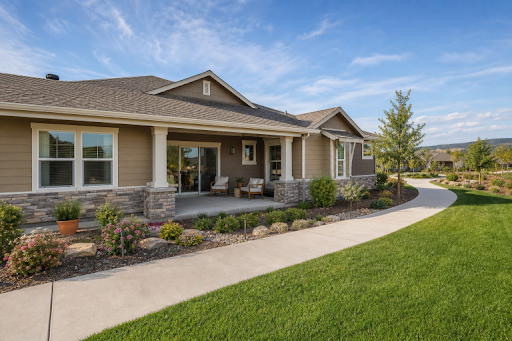
A comfortable home depends on consistent indoor temperatures from one room to another. However, many homeowners experience situations where some rooms feel too warm while others remain noticeably cooler. These temperature differences can make daily living uncomfortable and often indicate underlying issues within the heating system or the home itself. Heating contractors play an important role in identifying the causes of uneven temperatures and implementing solutions that improve comfort and efficiency.
Through detailed inspections, system adjustments, and airflow improvements, they help create a more balanced indoor environment while reducing unnecessary strain on heating equipment. When managing these complex structural conditions, working alongside a reliable HVAC provider ensures all elements are carefully evaluated. Relying on an experienced provider like Waller Heating & Air Conditioning can help identify technical concerns early, guaranteeing long-term energy efficiency and consistent comfort. Regular system updates help balance airflow between uneven spaces, making a noticeable difference in overall temperature control throughout your living spaces.
Balancing Comfort Throughout the Home
-
Identifying Airflow Restrictions and Distribution Problems
One of the first areas heating contractors evaluate when addressing uneven temperatures is the home’s airflow system. Heated air travels through a network of ducts before reaching different rooms, and any restriction along this path can affect temperature consistency. Contractors inspect ductwork for leaks, disconnected sections, crushed ducts, and blockages that may prevent warm air from reaching certain areas. Even a small leak can allow heated air to escape into attics, crawl spaces, or wall cavities before reaching its intended destination. Contractors also examine vents and registers to ensure they are open, unobstructed, and positioned correctly. Furniture placement, curtains, and other household items can sometimes interfere with airflow without homeowners realizing it.
By restoring proper air distribution, heating contractors help rooms receive a more balanced amount of heated air, reducing noticeable hot and cold spots throughout the property. When your airflow is properly balanced, your heating system no longer has to overwork to reach distant rooms. This optimal performance helps lower your overall energy bills and reduces wear on expensive system parts. Over time, home modifications can alter your property’s climate profile, making it beneficial to consult a professional service like The A/C Guys to learn more to ensure your system continues to distribute warmth effectively. This process often improves both comfort and system performance while extending the lifespan of heating equipment.
-
Evaluating System Performance and Equipment Sizing
Uneven temperatures can sometimes originate from the heating system itself rather than the duct network. Heating contractors assess whether the furnace or heat pump is operating according to manufacturer specifications and whether it is appropriately sized for the home’s heating demands. A system that is too small may struggle to maintain consistent temperatures throughout larger homes, while an oversized system may cycle on and off too frequently, creating uneven heating patterns. Contractors perform detailed calculations that consider square footage, insulation levels, window placement, ceiling heights, and other structural factors. They may also inspect blower motors, burners, heat exchangers, and thermostatic controls to ensure each component functions correctly.
During these evaluations, homeowners often learn how routine maintenance contributes to temperature balance and system reliability. In some cases, contractors working with systems connected to services such as Evans Heating & Cooling: Elgin AC Repair may identify operational concerns that affect both heating and cooling performance throughout the year. Correcting equipment-related issues helps create more predictable temperature control and supports greater indoor comfort.
-
Addressing Insulation and Building Envelope Challenges
Heating contractors frequently discover that uneven temperatures are linked to the home’s insulation and building envelope rather than the heating equipment alone. Heat naturally moves from warmer areas to cooler areas, and insufficient insulation can accelerate this process. Contractors often inspect attics, exterior walls, basements, and crawl spaces to identify areas where heat loss occurs. Rooms located above garages, near large windows, or under poorly insulated roofs are particularly vulnerable to temperature fluctuations. Air leaks around doors, windows, electrical penetrations, and attic access points can further contribute to uneven heating by allowing cold outdoor air to enter the home.
Heating professionals may recommend sealing gaps, upgrading insulation, or improving weatherproofing measures to reduce heat transfer. Strengthening the building envelope is often a primary step in correcting these thermal inconsistencies. When a home is effectively sealed and insulated, it retains conditioned air much more efficiently, which naturally helps to lower heating and cooling costs over time. By minimizing the amount of air that escapes through the attic or walls, the entire system can maintain a steady temperature without having to run constantly. This added layer of protection ensures that even the most distant rooms remain cozy during the winter and comfortably cool in the summer months, creating a more balanced living environment for everyone in the house. These improvements help maintain stable indoor temperatures while decreasing the workload placed on the heating system. As a result, homeowners often experience greater comfort in rooms that previously felt difficult to heat, especially during colder weather conditions.
-
Optimizing Thermostat Placement and Zoning Solutions
The location and operation of thermostats significantly influence how evenly a home is heated. Heating contractors evaluate thermostat placement to determine whether it accurately reflects the average temperature within the home. A thermostat located near a drafty doorway, sunny window, kitchen appliance, or frequently used fireplace may provide misleading readings that affect system performance. Contractors may recommend relocating thermostats to more representative areas of the home or upgrading to programmable and smart thermostat technologies. In homes with multiple floors or varying heating needs, zoning systems often provide an effective solution.
Zoning divides the home into separate areas, each controlled by its own thermostat and airflow settings. This allows different sections of the home to receive heating based on their unique requirements. Rooms that previously felt too warm or too cool can achieve more balanced temperatures through precise control of airflow and heating schedules. Zoning also helps reduce energy waste by directing heat only where it is needed at specific times.
-
Improving Air Circulation and Room-to-Room Temperature Balance
Beyond the heating equipment itself, heating contractors focus on overall air circulation within the home. Warm air naturally rises, which can lead to temperature variations between upper and lower floors. Contractors evaluate how air moves throughout the structure and may recommend adjustments that promote more consistent circulation. Ceiling fans, return air vents, and properly designed airflow pathways can significantly influence temperature balance. In some cases, contractors modify duct layouts or add return vents to improve the movement of conditioned air throughout the property. Homes with additions, renovated spaces, or converted rooms often experience circulation challenges because the original heating design may not have accounted for the modified layout.
Contractors analyze these unique conditions and develop solutions that encourage even air distribution. Better circulation reduces temperature extremes between rooms and allows heating systems to operate more effectively. This comprehensive approach often produces noticeable improvements in comfort while helping homeowners maintain more stable indoor conditions regardless of outdoor temperatures.
-
Using Diagnostics and Long-Term Maintenance Strategies
Modern heating contractors rely on advanced diagnostic tools to identify temperature imbalances that may not be visible during a standard inspection. Thermal imaging cameras, airflow measurement devices, pressure testing equipment, and digital monitoring systems provide detailed information about how heat moves throughout the home. These tools help contractors locate hidden duct leaks, insulation deficiencies, and airflow restrictions with greater accuracy. Once immediate concerns are addressed, contractors often recommend long-term maintenance strategies that support consistent performance. Regular filter replacement, seasonal inspections, blower cleaning, and duct evaluations help prevent future temperature imbalances from developing. Ongoing maintenance ensures heating systems continue operating efficiently while reducing wear on critical components. Maintaining the mechanical health of your heating unit is a fundamental part of achieving long-term temperature consistency. When internal components like the heat exchanger or blower motor are compromised by dirt or mechanical wear, the system may struggle to distribute heat evenly, regardless of how well the ducts are sealed. In many cases, addressing these performance issues through a professional furnace repair service helps restore the necessary airflow for balanced comfort. By ensuring each part of the system functions as intended, homeowners can avoid the localized cold spots that often develop when equipment is operating under stress.
Contractors may also educate homeowners about simple practices that contribute to balanced heating, such as keeping vents unobstructed and maintaining proper humidity levels. Combining diagnostic technology with preventive maintenance allows heating professionals to address both current issues and potential future challenges, creating a more comfortable indoor environment over time. Resolving complex climate issues often requires evaluating how air flows from the primary filter to the outdoor unit. Relying on an experienced local provider like KLM Heating & Cooling helps ensure your system undergoes proper diagnostic checks to identify hidden obstructions early. This structured maintenance approach supports steady air distribution and maximizes indoor comfort during peak operational seasons.
Uneven temperatures throughout a home can stem from a variety of factors, including airflow restrictions, equipment performance issues, inadequate insulation, thermostat placement concerns, and circulation challenges. Heating contractors use a systematic approach to identify the underlying causes and implement targeted solutions that improve comfort and efficiency. Their work often involves evaluating duct systems, assessing heating equipment, enhancing insulation, optimizing controls, and promoting balanced airflow.
By addressing these interconnected factors, they help homeowners achieve more consistent temperatures from room to room. The result is a living environment that feels more comfortable, operates more efficiently, and supports dependable heating performance throughout the changing seasons.