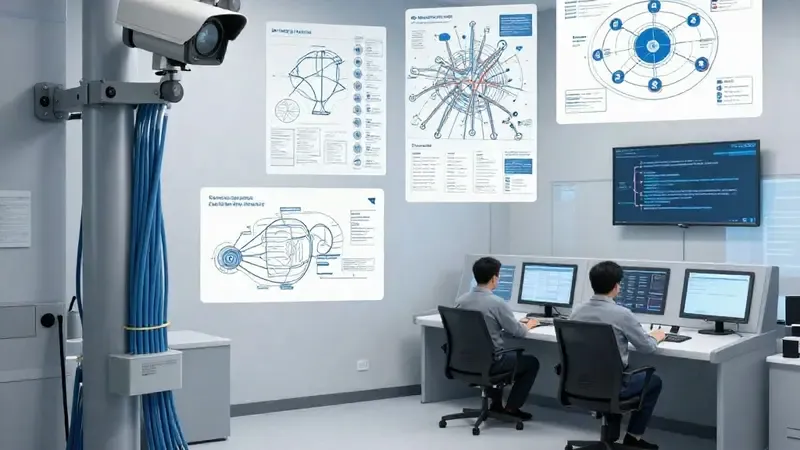
Security is often discussed in terms of cameras, access points, alerts, and monitoring screens. Network infrastructure is often discussed in terms of speed, uptime, bandwidth, and cable management. In practice, these two areas depend on each other more than many organizations realize. A camera system can only be useful if it has a dependable path for power, data, storage, and remote access. A cabling system can only support the business properly if it is planned around the real devices and risks inside the facility. That is why teams planning upgrades should look at surveillance, cabling, equipment rooms, and connected devices as one working environment, especially when choosing hardware for site monitoring as part of a wider protection plan.
The hidden connection between cameras and cables
Modern surveillance systems are no longer just a few cameras connected to a recorder in a back office. Many facilities now use internet-connected cameras, remote viewing, cloud storage, motion alerts, video analytics, access control integrations, and backup recording options. These features can be powerful, but they also place more pressure on the network behind them.
If the cabling is poorly installed, unlabeled, overloaded, or outdated, even high-quality cameras can perform badly. Video may lag. Feeds may drop. Storage may fail. Remote access may become unreliable. In an emergency, those weaknesses matter. A blurry recording or missing clip can make it harder to understand what happened, support an insurance claim, or improve safety procedures.
That does not mean every facility needs the most advanced system available. A small office, storage area, or private facility may need a simple, well-placed camera setup with clean cabling and basic remote access. A larger operation may need layered coverage, network switches, fiber connections, backup power, and planned expansion capacity. The right answer depends on risk, building layout, budget, staffing, and how often the system will be used.
A smarter way to think about critical spaces
Critical infrastructure does not always mean massive facilities or highly technical environments. It can refer to any space where downtime, theft, damage, restricted access, or poor visibility would create serious consequences. That might include equipment rooms, server closets, warehouses, distribution areas, utility spaces, data rooms, production floors, or shared building systems.
Surveillance helps by creating visibility. Cabling helps by making that visibility stable. Cameras can discourage unwanted activity, document incidents, and support faster decisions. Structured cabling can keep those cameras connected, organized, and easier to maintain. When the two are planned together, the result is usually cleaner, safer, and more reliable than a system assembled piece by piece over time.
The balanced view is important here. Cameras are not a complete security plan by themselves. They do not replace access policies, lighting, staff training, visitor management, or routine maintenance. Cabling is also not a one-time detail that can be ignored once installed. Both need planning, testing, documentation, and periodic review.
The quiet backbone behind every camera feed
Behind every reliable video feed is a path for data and power. That path may involve copper cabling, fiber cabling, patch panels, network switches, racks, power supplies, and storage systems. When this foundation is organized, it becomes easier to troubleshoot problems, add cameras, replace equipment, and avoid accidental disconnections.
Older network rooms are often where problems begin. Cables may be tangled, undocumented, bent too tightly, or mixed with older equipment that no longer supports current bandwidth needs. A surveillance upgrade can reveal these weaknesses quickly because video traffic can be demanding. For many organizations, the work starts with reshaping an aging network room, but the larger goal should be creating a cleaner, safer, and more scalable infrastructure plan.
Good cabling design also helps avoid overbuilding. Not every camera needs the same bandwidth. Not every area needs continuous recording. Not every facility needs fiber everywhere. A fair plan weighs performance against cost and focuses spending where it reduces real risk or improves long-term reliability.
Better planning leads to better coverage
Camera placement is one of the most important parts of a surveillance project. A system with too few cameras can leave blind spots. A system with too many cameras can waste money, overload storage, and create more footage than anyone can reasonably review. The best approach is to map risk areas first.
Entrances, exits, loading areas, equipment rooms, cash-handling zones, corridors, parking areas, and restricted spaces may all need different levels of visibility. Some areas require wide-angle coverage. Others need close detail, better lighting, or a camera angle that captures faces, license plates, equipment access, or movement patterns.
Cabling routes should be planned at the same time. Running cable after cameras are selected can lead to awkward pathways, exposed wiring, poor labeling, or future access problems. Planning together allows installers and decision-makers to think through ceiling access, wall penetrations, rack space, switch capacity, power needs, and future expansion.
This is also where privacy should be considered. Surveillance should protect people and property without becoming excessive or intrusive. Clear policies, proper signage where required, limited access to footage, and appropriate retention settings help keep the system practical and responsible.
What businesses gain from a connected approach
When surveillance and cabling are treated as one system, organizations usually gain more than clearer video. They gain easier maintenance, fewer service disruptions, cleaner documentation, and a better path for future upgrades. A well-labeled cable run can save hours during troubleshooting. A properly planned rack can reduce accidental outages. A reliable network can keep cameras recording when they are needed most.
There are also operational benefits. Managers may use video to review deliveries, verify access events, investigate property damage, improve safety procedures, or understand traffic patterns inside a facility. These uses should be handled carefully, with clear rules and respect for employees, visitors, and customers. Used responsibly, surveillance can support accountability without creating a culture of suspicion.
The same balanced thinking applies to analytics. Motion detection, object alerts, line crossing, and remote notifications can be useful, but they are not magic. Poor camera placement, bad lighting, weak network design, or incorrect settings can create false alerts or missed events. Technology works best when it is configured around real-world conditions.
Building for today without trapping tomorrow
A strong infrastructure plan should solve current problems while leaving room for change. More cameras may be needed later. Storage needs may grow. Access control may be added. Remote monitoring may become more important. A facility may expand, reorganize, or upgrade equipment.
That does not mean every organization should spend heavily upfront. It means decisions should be made with growth in mind. Extra rack capacity, proper labeling, clear documentation, flexible cable pathways, and realistic switch planning can make future upgrades easier and less disruptive.
The strongest projects usually begin with simple questions. What areas are most vulnerable? Which systems already exist? Where has downtime happened before? What footage would be useful during an incident? Is the current network room organized enough to support more devices? Who will review alerts, manage access, and maintain the system?
When those questions guide the work, surveillance and cabling become more than separate technical services. They become part of a practical risk management strategy. The result is not just more cameras or more cables. It is a facility that is easier to monitor, easier to maintain, and better prepared for whatever comes next.