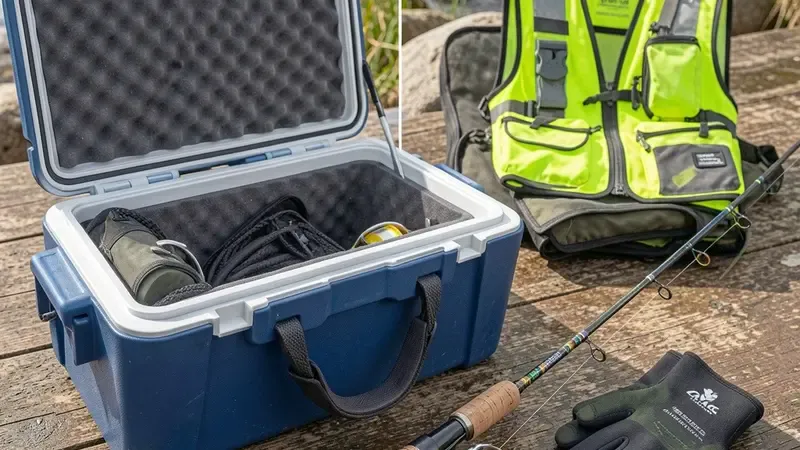
A good fishing day usually starts long before the first cast. It starts with how the gear is packed, how the sharp items are stored, how much weight needs to be carried, and whether the group has a realistic plan for moving everything from the vehicle to the water. Rods, tackle, coolers, chairs, towels, umbrellas, snacks, water, and first-aid items can quickly turn a relaxing outing into a tiring setup process. Some anglers look at modern hauling options, including electric beach carts by e-beach wagon, as one possible way to reduce that burden without making gear the center of the day.
The best approach is balanced. Better equipment can make fishing days smoother, but it does not replace preparation, awareness, or good decision-making. A cart can help move supplies, but it still needs to suit the terrain and the amount of gear being carried. A hook-removal tool can be useful, but it does not replace medical care when an injury is serious. The goal is not to buy every gadget available. The goal is to bring the right mix of practical tools that help prevent small problems from taking over the trip.
The hidden cost of carrying too much by hand
Many fishing trips become frustrating because people underestimate how awkward their gear will be once they leave the parking area. A cooler feels manageable for the first few steps, but not when combined with chairs, tackle bags, bait, water bottles, and loose items that need constant adjusting. Add soft ground, wet surfaces, wind, kids, or a longer walk, and the simple act of getting set up can drain energy before fishing even begins.
This is where better gear transport can make a real difference. A stable cart or wagon can reduce the number of trips, keep items together, and make it easier to bring important supplies rather than leaving them behind. That said, not every hauling option fits every trip. Smaller outings may only need a simple bag or a lightweight cart. Bigger trips may justify a more durable setup, especially when heavy coolers, shade gear, and multiple rods are involved.
A fair way to think about it is simple: choose transport based on distance, terrain, weight, and who is coming with you. A solo angler walking a short paved path has different needs than a family crossing soft ground with a full day’s worth of supplies. Better gear should solve a real problem, not create another one.
Hook safety deserves a spot in the plan
Sharp hooks are part of fishing, but hook injuries are often treated as an afterthought. Many people carry extra lures, line, and pliers, yet do not have a clear plan for what happens if a hook ends up in someone’s hand, arm, leg, or clothing. Even experienced anglers can get hurt during a rushed cast, a sudden fish movement, a tangled line, or a moment of distraction.
A practical first-aid setup should include basic wound-care supplies, clean water, gloves, antiseptic items, bandages, and a plan for when professional help is needed. Some anglers also choose to carry a dedicated hook-removal option rather than relying only on improvised methods. Tools designed for this purpose can be part of a prepared kit, and one example can be found at http://www.dhukrtool.com/, though any tool should be used carefully and only in suitable situations.
The key is knowing the limits. A minor, shallow hook injury may be manageable with the right supplies and calm handling. A deep injury, heavy bleeding, a hook near the eye, a hook near a joint, or an injury in a sensitive area should be treated much more seriously. In those cases, the safest choice is to stop fishing and seek medical care.
Organized gear can reduce preventable mistakes
Disorganization causes more trouble than many people realize. When tackle is loose, hooks are exposed, pliers are buried, and first-aid items are scattered, small issues can turn stressful quickly. Someone steps on a lure, a child grabs the wrong item, a hook catches on a towel, or the group wastes time digging through bags while a fish is still on the line.
A better system does not have to be complicated. Hooks and lures should be stored securely. Tools should have a consistent place. First-aid items should be easy to reach, not buried under food or beach gear. Heavier items should be packed low and stable. Wet items, sharp items, food, and clean medical supplies should not all be mixed together.
This kind of organization helps in two ways. First, it makes the trip more enjoyable because people spend less time searching for things. Second, it lowers the chance of avoidable injuries. Good gear habits are not flashy, but they are often what separate a smooth day from a chaotic one.
Comfort matters, but it should not replace caution
Better gear can improve comfort, especially on long fishing days. Shade, seating, hydration, organized storage, and easier transport all help people stay relaxed and focused. This is especially helpful when children, older adults, or less experienced anglers are part of the group. When people are tired, overheated, rushed, or carrying too much, they are more likely to make careless mistakes.
Still, comfort should not create a false sense of security. A well-packed cart does not make unsafe terrain harmless. A hook-removal tool does not make every injury minor. A first-aid kit does not remove the need for careful casting, proper spacing, and awareness of others nearby. The safest anglers are usually the ones who combine useful gear with common sense.
It is also worth reviewing the group’s needs before each trip. Weather, terrain, distance, tide, fish species, and the number of people all affect what should be packed. A short morning outing may require very little. A full-day trip with family or friends may call for a more complete setup.
A simple checklist for fewer fishing day problems
Before heading out, think through the trip in categories rather than randomly packing items. Start with fishing gear: rods, reels, tackle, bait, line, pliers, and any handling tools you trust. Then move to safety: first-aid supplies, hook-injury readiness, sunscreen, water, gloves, and a phone with enough charge. After that, think about comfort: chairs, shade, towels, food, and weather-appropriate clothing.
Finally, consider transport. Ask whether everything can be carried safely in one trip, whether the ground will be soft or uneven, and whether anyone in the group may struggle with the load. If the setup feels too heavy or awkward at home, it will probably feel worse outside.
The best fishing days are not perfect because nothing goes wrong. They are better because the group is ready for the normal problems that often happen. A little planning, smarter gear choices, safer hook handling, and organized transport can make the day more comfortable without overcomplicating it. In the end, the right equipment should support the experience, not distract from it.