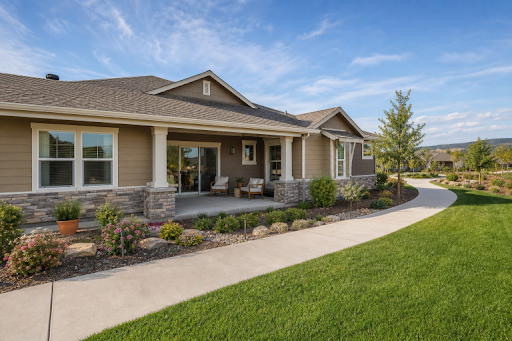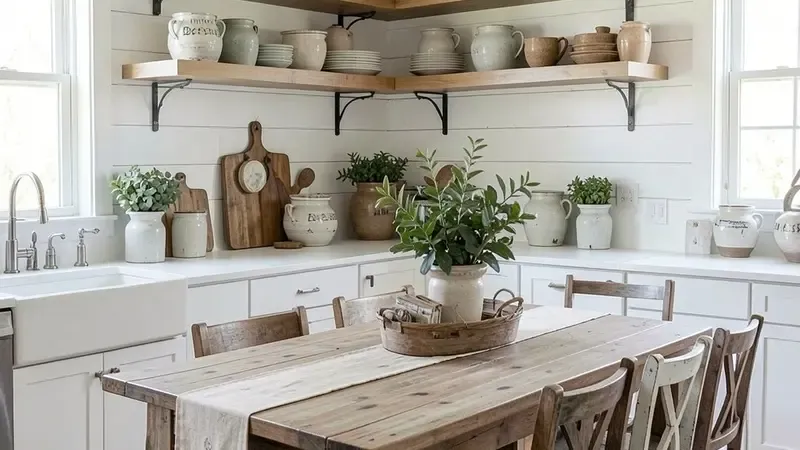
The biggest shift in home decor is not really about one color, one finish, or one furniture silhouette. It is about a change in mindset. After years of fast-changing micro-trends, quick online purchases, and rooms designed to look good for a season, many homeowners are starting to want something steadier. They want spaces that feel personal, comfortable, and worth living with for years.
That does not mean trends no longer matter. Trends can still be useful because they show where taste, lifestyle, and design priorities are heading. The difference is that the best home decor trends are less about copying a look and more about choosing ideas that support how you actually live. A sculptural light fixture, a warm wood cabinet, a handmade tile, or a vintage chair can all make a room feel current, but only if they fit the person using the space every day.
This is where balance matters. A home that ignores every trend can feel dated, but a home that chases every trend can feel disposable. The sweet spot is thoughtful design that feels fresh without being fragile. That means choosing materials with staying power, adding character through texture, and working with a residential design-and-build partner who can help turn inspiration into something practical, beautiful, and lasting for everyday life.
The end of flat, forgettable rooms
Minimalism is not disappearing, but the plain, overly safe version of it is losing its grip. The most interesting interiors are starting to feel more layered, collected, and expressive. The mood is still calm, but it is no longer empty.
For years, many people leaned on soft gray palettes, matching furniture sets, and clean lines because they felt easy to live with. There is nothing wrong with simplicity, especially in a busy household. The issue is that too much sameness can leave a room feeling unfinished. A space can be tidy and still lack warmth. It can be neutral and still feel personal, but only when texture, light, scale, and contrast are handled with intention.
That is why sculptural lighting is becoming such a powerful design move. A light fixture can act almost like an artwork, giving a room shape and personality without adding clutter. Curved forms, asymmetrical shapes, and bold pendants can make a quiet space feel designed rather than decorated. The inspiration article from tksdesigngroup.com captures this shift well, especially in its focus on interiors that feel singular, warm, and refined rather than overly styled.
The fair warning is that statement lighting should still work with the room. A dramatic fixture in the wrong scale can overwhelm the space, while something too timid may disappear. The goal is not to choose the loudest piece. It is to choose the piece that gives the room a clear point of view.
Warmth is making a serious comeback
Cool, flat finishes are giving way to richer materials with more depth. Wood tones are a major part of that shift. Walnut, oak, and other warm finishes are showing up in cabinetry, furniture, wall details, and built-ins because they make a room feel grounded almost instantly.
This does not mean every home needs dark wood or heavy furniture. Lighter woods still have a place, especially in smaller rooms or spaces that need to feel open. The real trend is toward visible grain, natural variation, and materials that feel less manufactured. Wood brings a kind of quiet confidence to a room because it ages well and pairs beautifully with stone, plaster, linen, wool, and metal.
The most successful spaces will use warmth with restraint. Too many dark finishes can make a room feel heavy, while too little can make it feel cold. A warm vanity, a wood-paneled niche, a custom storage wall, or a dining table with real presence can be enough to change the entire atmosphere.
Handmade details are stealing the spotlight
One of the most appealing design ideas right now is the return of imperfect beauty. Handmade tile, hand-applied finishes, and artisan-inspired details are becoming more popular because they add something factory-perfect surfaces often cannot: character.
A handmade tile may have slight color variation. A plaster wall may catch light differently throughout the day. A woven textile may bring softness that a smooth synthetic fabric cannot quite match. These details make a room feel more human. They remind you that a home is not a showroom. It is a place where life happens.
Still, handmade details work best when they are edited. Not every surface needs to be textured. Not every finish needs to compete for attention. A backsplash, fireplace surround, powder room wall, or quiet architectural feature can be the perfect place to bring in a more tactile material without making the entire home feel busy.
Old and new belong in the same room
Rooms with a mix of eras often feel more interesting than rooms where everything was bought at once. A vintage cabinet beside a clean-lined sofa, an antique mirror above a modern vanity, or a classic chair in a contemporary room can create a sense of history.
This trend is especially refreshing because it encourages homeowners to keep pieces that matter. Not everything needs to be replaced to make a room feel new. Sometimes, the most meaningful item in the room is the one with a story attached to it. A family piece, a flea-market find, or a well-made older item can keep a space from feeling too predictable.
The balance comes from contrast. If every item is vintage, the room may feel dated. If every item is new, it may feel flat. Combining old and new gives the eye somewhere to land, while also making the space feel collected over time.
Flexible spaces are becoming more thoughtful
Homes are being asked to do more than ever. A room may need to support work, hobbies, hosting, rest, storage, and family life, sometimes all in the same week. That is why multi-purpose spaces are becoming more intentional.
The difference now is that flexible rooms are no longer treated as leftover spaces. Instead of a spare room filled with random furniture, homeowners are thinking about how a space can shift gracefully. A reading room can also work as a guest room. A dining area can support homework or remote work. A quiet corner can become a small retreat with the right chair, light, and storage.
The best flexible spaces do not feel temporary. They feel considered. Built-ins, layered lighting, durable fabrics, and smart layouts can help a room change function without losing its beauty.
The smartest trend is knowing what to ignore
Not every home decor trend will be right for every home. That is the part people often forget. A trend should support your taste, your routines, and your long-term plans. If a bold finish makes you smile every time you see it, it may be worth embracing. If it only looks good online, it may not belong in your home.
The most timeless interiors usually come from a mix of confidence and restraint. Choose a few design ideas that genuinely fit your life. Let texture bring depth. Let lighting create a mood. Let older pieces add soul. Let materials feel good to touch, not just good to photograph.
In the end, the homes that feel most current are often the ones that refuse to chase every passing idea. They feel personal, warm, layered, and lived in. That is the kind of design that does not just look good when it is finished. It keeps feeling right year after year.