Brightening your smile remains one of the most popular cosmetic dental requests today. Yellowing occurs naturally as coffee, tea, berries, and age alter the outer tooth enamel.
Simple daily brushing removes loose food particles, but deep stains require chemical methods to lift dark discoloration completely. Understanding how whitening treatments work helps you choose safe options for long-lasting results.
Continue reading to discover everything you need to know!
Seeking Professional Care and Direction
People often ask how dentists whiten teeth without damaging them. Local clinical leader Dr. Cosio says that personalized care plans help determine whether in-office treatments match individual oral health needs. Having a dentist guide the process keeps the gel under control.
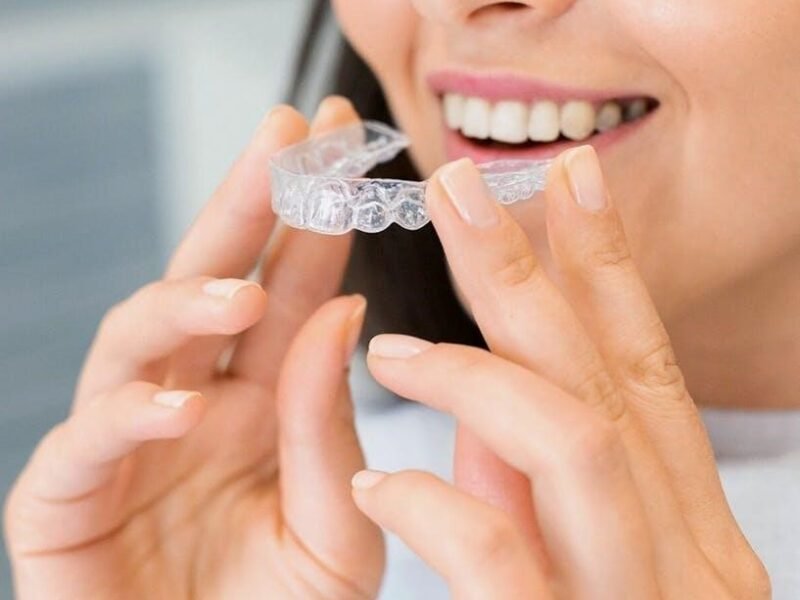
That protects your gums and mouth. Dentists check for worn spots before they apply the gel. That helps prevent pain. Custom trays fit snugly over your teeth. They keep the gel off your gums. With a dentist’s help, you get the right strength for your teeth.
Understanding Tooth Enamel and Staining
Tooth enamel has tiny pores beneath its hard outer layer. Dark drinks and tobacco leave stains in those pores. Over time, those particles settle deep inside your teeth.
Medical research shows bleaching works best on enamel. Deep stains are below the surface, not on top. Brushing removes surface stains but can’t reach what’s trapped inside.
How Hydrogen Peroxide Targets Tooth Pigments
Whitening products use peroxide to break down stains. Most products have hydrogen peroxide or carbamide peroxide. Manufacturers choose which to use based on how long the gel should stay active and how fast it works.
Carbamide peroxide breaks down slowly into hydrogen peroxide and urea when it touches moisture. That makes it a good choice for overnight trays at home. Hydrogen peroxide works faster. It’s often used for quick treatments at the dentist’s office.
Both types release active oxygen to target stain molecules. The right strength whitens effectively without damaging your teeth.
The Chemical Oxidation Process Explained
The whitening process uses a chemical reaction to break down stain molecules. Active bleaching compounds release free radicals. These attack the dark pigments in your teeth.
Breaking those chemical bonds changes how light hits your teeth. Studies confirm that these molecules bind with stain particles inside enamel and dentin. This lightens your teeth through a process called oxidation.
The reaction turns large dark stain molecules into smaller, colorless pieces. As those pigments break apart, your teeth look much whiter.
Key stages of chemical stain removal include:
- Peroxide molecules penetrate tiny pores
- Reactive oxygen species interact
- Disrupted stain compounds reflect light
Managing Sensitivity During Bleaching Treatments
Your teeth might feel sensitive after whitening. Whitening agents reach the inner layers of your teeth. Nerves react to fluid shifts inside tiny tubes in your teeth during whitening, and this reaction is temporary and fades once mineral balance returns.
Sensitivity usually goes away within 24 to 48 hours after treatment. Desensitizing gels with potassium nitrate can calm nerves during recovery. Fluoride helps rebuild mineral layers and soothes sensitive spots.
The Science of a Brighter, Healthier Smile
To keep your smile bright, brush and floss daily and see your dentist regularly. Avoid dark drinks and keep up good habits to make results last longer. Knowing how whitening works helps you feel confident about choosing a safe routine.
For more helpful tips on teeth whitening, cosmetic dentistry, and maintaining a healthy smile, read more articles on our blog.