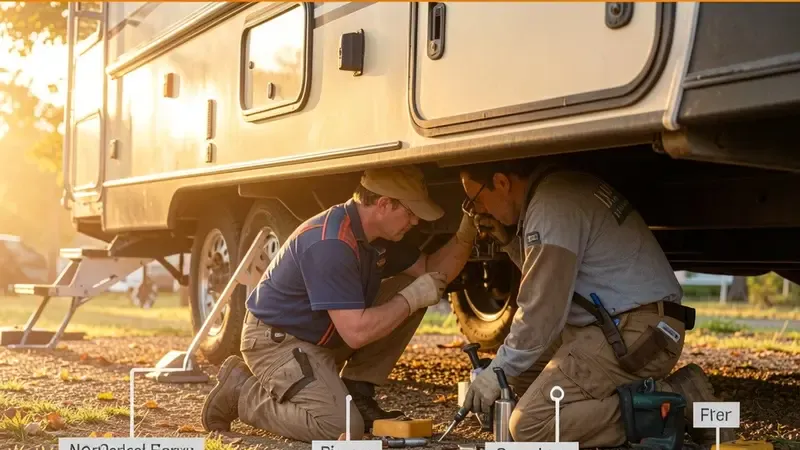
Owning an RV gives you a rare kind of freedom. You can pack up, change scenery, sleep in your own space, and turn the road into part of the trip instead of just the way to get there. But that freedom comes with responsibility. An RV is not just a vehicle, and it is not just a small home. It is both at once, which means more systems, more moving parts, and more ways for small problems to become expensive ones. That is why routine care matters, especially when you rely on your RV for comfort, safety, and travel plans. A professional inspection can help you spot hidden problems before they interrupt your next trip, and services from The RVShop can make that process easier when you need help keeping your RV road-ready.
The real value of an RV inspection is not just finding what is broken. It is finding what is starting to fail. A loose seal, aging tire, soft spot, low fluid level, weak battery connection, or tiny plumbing leak may not seem urgent at first. Left alone, though, that same issue can grow into water damage, electrical failure, roadside trouble, or a repair bill that hurts far more than a routine checkup would have.
Why RVs need more attention than regular vehicles
A standard car has plenty of parts to maintain, but an RV carries an extra layer of complexity. Along with the engine, brakes, tires, suspension, and lights, it may also have plumbing, appliances, heating and cooling, slide-outs, roof seals, batteries, tanks, electrical panels, and interior materials that can be damaged by moisture or movement.
That combination is exactly what makes inspections so useful. A car problem may affect drivability. An RV problem can affect drivability, comfort, safety, storage, power, water, and even the structure of the living space. When all of those systems are packed into one vehicle, prevention becomes more than a good habit. It becomes one of the smartest ways to protect your investment.
Catching damage before it spreads
The most expensive RV repairs often begin quietly. A minor roof gap lets in a small amount of moisture. A plumbing connection drips behind a panel. A worn seal around a window starts to fail during heavy rain. At first, the signs may be easy to miss. Over time, moisture can damage walls, flooring, cabinetry, insulation, and hidden structural areas.
That is why roof and seal inspections are so important. A technician can look for cracked sealant, soft spots, loose trim, damaged vent areas, and early signs of water intrusion. RV owners can do some visual checks themselves, which is always helpful, but not every problem is obvious from ground level or at a glance. When comparing the cost of early seal repair with the cost of interior water damage, the savings can be significant. For owners thinking about replacement parts, repairs, or even changing vehicles, byotautoparts.com/ may be useful during research, though an inspection should still guide the decision.
There is a balanced way to look at this. Not every small issue becomes a disaster, and not every inspection will uncover something major. Still, RVs are exposed to sun, rain, vibration, road debris, temperature changes, and long periods of storage. All of that adds stress. Inspections give you a chance to respond early instead of reacting when the damage has already spread.
Tires, brakes, and suspension deserve serious attention
Some RV issues are inconvenient. Others are safety concerns. Tires, brakes, and suspension fall into the second category. RVs are heavy, and that weight puts pressure on every part of the driving system. Tires with poor tread, incorrect pressure, uneven wear, or age-related cracking can become a major risk on the road.
Brakes matter just as much. Worn pads, low brake fluid, damaged rotors, or neglected brake components can create dangerous conditions, especially during long drives, downhill stretches, or stop-and-go traffic. A brake issue caught during an inspection is usually easier and less expensive to handle than one discovered during a trip.
Suspension problems can be more subtle. Poor handling, uneven tire wear, bouncing, leaning, or unusual noises may point to worn shocks, springs, or other components. These issues may not always feel urgent, but they can affect control, comfort, and the lifespan of your tires. A regular inspection helps you understand whether the RV is simply showing normal wear or whether something needs attention before your next journey.
The hidden systems that quietly cost money
Electrical and plumbing systems can be difficult for owners to judge without proper experience. A loose connection, corroded wire, weak battery, damaged outlet, or overloaded circuit may not be obvious until something stops working. In some cases, electrical issues can create safety risks, especially if wiring is damaged or connections are unstable.
Plumbing has its own risks. A small leak can waste water, damage interior surfaces, create odors, or contribute to mold. Tanks, pumps, pipes, fittings, and drains all need to work together. When one part fails, the problem can quickly become frustrating and expensive.
Appliances, generators, heating units, cooling systems, and slide-outs also deserve attention. These features make RV travel more comfortable, but they can become costly when ignored. An inspection can identify wear, unusual performance, leaks, odd sounds, or signs that a component is working harder than it should.
DIY checks help, but they are not the whole answer
RV owners should absolutely stay involved in basic maintenance. Checking tire pressure, looking for visible leaks, testing lights, watching for stains, listening for strange noises, and keeping up with cleaning can make a real difference. The more familiar you are with your RV, the easier it is to notice when something changes.
At the same time, DIY checks have limits. A professional inspection brings experience, equipment, and a trained eye. Technicians know where common failures start, what signs are easy to miss, and how one issue can affect another system. That does not mean every RV owner needs constant professional service. It means routine inspections should be part of a balanced maintenance plan, especially before long trips, after storage, before buying a used RV, or when something does not feel right.
A smarter way to protect your travel plans
The best reason to schedule regular RV inspections is peace of mind. Nobody wants to lose a trip to a preventable breakdown, an unexpected leak, a failed appliance, or a safety concern that could have been handled earlier. Inspections are not about fear. They are about knowing what condition your RV is in before you depend on it.
Regular inspections can save money, but they also save time, stress, and frustration. They help you make better decisions, plan repairs before they become emergencies, and keep your RV ready for the road. A well-maintained RV is not just cheaper to own over time. It is also more enjoyable to use, and that is the whole point of having one in the first place.
Visit my site for more details.