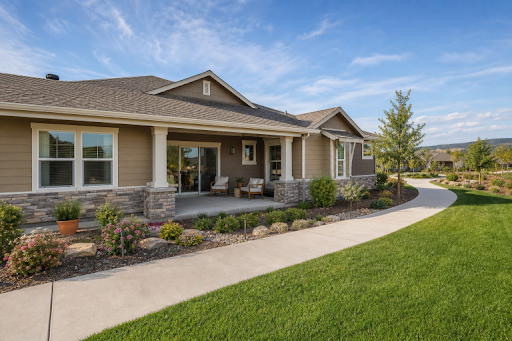
Modern homeowners are increasingly looking for ways to create functional living areas while reducing their environmental impact. Sustainable design has become a major influence in residential construction, shaping how additional spaces are planned, built, and used. Backyard carriage houses have gained attention for providing flexible options for housing, workspaces, and guest accommodations without requiring large expansions. The focus is no longer only on appearance or convenience but also on energy efficiency, responsible material choices, and long-term value. Sustainable thinking allows these structures to blend with their surroundings while supporting a more environmentally conscious approach to modern living.
Building Greener Living Spaces
-
Sustainable Ideas Shaping Modern Designs
Sustainable design has transformed the way homeowners think about adding structures to their properties. Instead of creating buildings that simply occupy outdoor space, modern planning focuses on creating efficient environments that work with nature. Today’s backyard carriage house plans often incorporate thoughtful considerations for energy use, natural lighting, water conservation, and material durability from the earliest stages of development. These choices help create spaces that remain comfortable across seasons while reducing the resources required to maintain them. Sustainable design encourages builders and homeowners to think beyond immediate needs by considering how a structure will perform years into the future.
Features such as proper insulation, efficient windows, and smart layouts help reduce unnecessary energy consumption. The goal is to create a balanced connection between the home, the surrounding landscape, and the people who use the space. As environmental awareness grows, these design principles continue to influence how small residential buildings are imagined and constructed.
-
Energy Efficiency and Everyday Comfort
Energy efficiency is one of the most important elements shaping sustainable carriage house construction. A well-designed structure can reduce heating and cooling demands through careful planning rather than relying only on mechanical systems. The placement of windows, orientation of rooms, and use of insulation all influence how much energy a building requires. Natural sunlight can brighten interior spaces during the day, reducing dependence on artificial lighting, while properly positioned openings can improve airflow and indoor comfort. Sustainable designs also consider the local climate, allowing the structure to respond naturally to weather conditions.
Energy-saving appliances and modern systems further support lower utility costs and reduced environmental strain. These improvements not only benefit the planet but also create more pleasant spaces for residents and visitors. A carriage house designed with efficiency in mind can provide year-round comfort while helping homeowners manage long-term expenses. This approach reflects a shift toward responsible construction, in which convenience and sustainability work together rather than exist separately.
-
Choosing Materials With Long-Term Value
Material selection plays a significant role in sustainable building practices because the products used during construction influence durability, maintenance, and environmental impact. Many homeowners now prefer materials that last longer, require fewer replacements, and have a lower effect on natural resources. Reclaimed wood, recycled materials, and responsibly sourced products can contribute to a more environmentally aware building process. Durable materials also help protect a carriage house from weather damage, reducing the need for frequent repairs. The idea behind sustainable material choices is not only about using greener products but also about creating structures that remain useful for many years.
A thoughtfully constructed carriage house can continue serving different purposes as family needs change, making durability an important part of responsible design. Materials with strong performance and timeless appeal can help maintain the structure’s character while supporting a reduced environmental footprint. This balance between appearance, function, and sustainability is becoming an important factor in residential planning.
-
Water Conservation and Landscape Integration
Sustainable carriage house design extends beyond the building itself and includes the surrounding outdoor environment. Water conservation has become an important consideration as homeowners seek ways to reduce waste and protect natural resources. Features such as rainwater collection systems, efficient plumbing fixtures, and thoughtful landscaping can help manage water usage. Native plants and climate-friendly gardens can also support healthier outdoor spaces by requiring less maintenance and fewer resources. When a carriage house is planned in harmony with the landscape, the result is a more connected and harmonious property.
Designers often consider how pathways, gardens, and outdoor areas interact with the structure to create a balanced setting. This approach allows the building to feel like a natural extension of the property rather than an isolated addition. Sustainable landscaping can also improve privacy, provide shade, and enhance the overall experience of using the space. These choices show how responsible planning involves both the structure and the environment around it.
-
Flexible Spaces for Changing Needs
Another important aspect of sustainable design is creating spaces that remain useful as lifestyles change. A carriage house built with flexibility in mind can adapt to different purposes over time, reducing the need for future renovations or new construction. A room that functions as a home office today could later become a guest area, rental space, or private retreat. This adaptability supports sustainability because it allows one structure to meet multiple needs throughout its lifespan. Thoughtful layouts, movable features, and efficient use of available space help maximize the building’s value. Instead of creating temporary solutions, homeowners can invest in spaces that continue to serve them for years.
Flexible design also supports changing family situations by allowing properties to accommodate different generations or evolving routines. By considering future possibilities during the planning stage, sustainable carriage houses become more than simple additions. They become lasting parts of a home that can adjust naturally as circumstances shift.
-
Technology Supporting Sustainable Living
Technology has become a valuable part of sustainable residential design by helping homeowners monitor and improve the performance of their spaces. Smart systems can help control lighting, temperature, and energy use, allowing residents to make informed choices about consumption. Modern technology can support comfort while reducing unnecessary waste. Solar energy systems, efficient climate controls, and automated features are becoming more common in environmentally aware construction. These tools enable smaller structures, such as carriage houses, to achieve impressive efficiency without sacrificing convenience. Technology also helps homeowners understand how their buildings perform over time, making it easier to identify areas for improvement.
When combined with thoughtful architecture and responsible materials, technology creates a stronger foundation for sustainable living. The purpose is not to add unnecessary complexity but to make everyday life more efficient and environmentally responsible. As innovation continues, sustainable carriage houses are likely to become even more practical and adaptable.
Sustainable design has changed the way modern carriage houses are imagined by placing equal importance on function, comfort, and environmental responsibility. These structures now represent more than just additional living spaces; they reflect a broader movement toward smarter residential choices. Through efficient layouts, durable materials, water-conscious planning, and adaptable features, sustainable carriage houses provide lasting value for homeowners. The focus on reducing waste and improving efficiency allows these spaces to support both current lifestyles and future needs.
As communities continue searching for responsible housing solutions, sustainable design will remain a key influence in shaping attractive, practical, and environmentally mindful backyard structures.