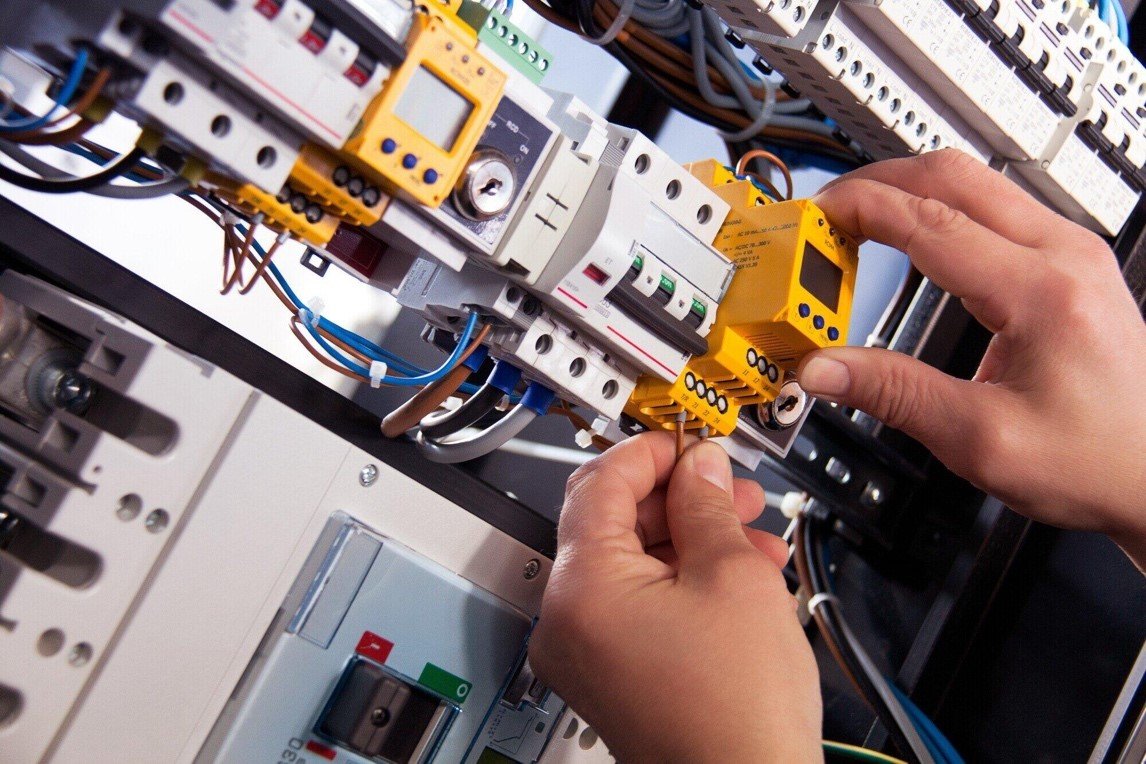
Electricity powers our daily lives every single day. We use it for cooking, cooling, and entertainment without thinking twice. Safe habits keep this power working without causing danger.
A few simple checks can keep your household completely secure. While it provides convenience and comfort, it can also pose serious hazards if not used properly. Electrical accidents such as shocks, fires, and equipment damage are often caused by faulty wiring, overloaded circuits, or improper handling of electrical devices.
Continue reading to discover everything you need to know!
Spotting Warning Signs in Your Home
Keeping your home safe means paying attention to your electrical system. Many homeowners overlook small issues until they turn into big problems. Learning the basics can protect your family and your property.
Flickering lights often mean your circuits are overloaded. If you notice these signs, going through https://aardvarkelectricservice.com/ can help you find professional assistance.
Warm outlets are another major red flag. Wall switches should never feel hot to the touch. Smelling smoke or a burning odor means you need to turn off the power immediately.
Circuit breakers trip to prevent electrical overloads. If a specific breaker trips constantly, your system is telling you there is a problem.
Managing Your Power Strips Safely
Power strips offer a convenient way to plug in multiple devices. People often overload them by plugging too many high-wattage items into one spot. This mistake can heat the wires and start a fire.
Never daisy-chain power strips together. Plugging one strip into another creates a major safety hazard – it easily leads to overheating. Heavy appliances like refrigerators or microwaves need their own dedicated wall outlets.
Many people confuse standard extension cords with high-quality surge protectors. Standard cords do not offer defense against sudden voltage spikes.
Checking Wires and Cords
Electrical cords are easily damaged under carpets or furniture. Walking over covered cords crushes the protective coating over 12 months. Hidden damage can spark without anyone noticing right away.
Check your items with these quick steps:
- Check your electrical cords
- Look for frayed wires
- Test your safety switches
- Unplug unused small appliances
- Avoid overloading power strips
Testing Your Safety Switches
Ground fault circuit interrupters protect kitchens and bathrooms from shocks. These specialized outlets cut power instantly when they detect water or a short circuit. Testing them every month keeps them working perfectly.
Press the test button to trip the circuit. The reset button should pop out with a clicking sound. Pressing reset restores the normal flow of electricity to your devices.
Outlets wear out over long periods of heavy use. Loose plugs that slip out of the wall easily indicate worn-out internal contacts. When outlets deteriorate over long periods of heavy use, they become significant safety hazards that require prompt replacement. Ensuring your home has a stable connection for all electronic items supports overall electrical efficiency and mitigates sudden fire risks. Utilizing professional household wiring services helps address these underlying issues safely before any hidden damage or worn components escalate into costly property damage.
Smart Habits for Daily Safety
Pulling the plugs by the cord damages the internal connections. Grab the plastic plug itself to remove it from the wall safely. This simple habit extends the lifespan of your electronic items.
Keep all electrical items far away from sinks and tubs. Water conducts electricity incredibly fast and creates deadly shock hazards. Never touch switches or appliances with wet hands. While handling daily appliances safely is essential, maintaining the mechanical systems that regulate your living environment also prevents major household complications. If your home climate system operates under heavy stress, it can lead to electrical strain or sudden performance failures. Booking professional ac repair San Jose can help manage these larger mechanical issues, ensuring your setup runs efficiently without overloading your household infrastructure.
Looking for More Tips
Small changes in your routine make a massive difference in home safety. Understanding the warning signs of electrical problems and knowing when to contact a qualified electrician are equally important in preventing accidents.
Staying aware of your surroundings prevents dangerous accidents before they start. Protect your home by practicing these basic rules every day.
Looking for more tips and ideas? We’ve got you covered. Check out some of our other posts now.